How to Listen to Jazz Without Chasing Every Note
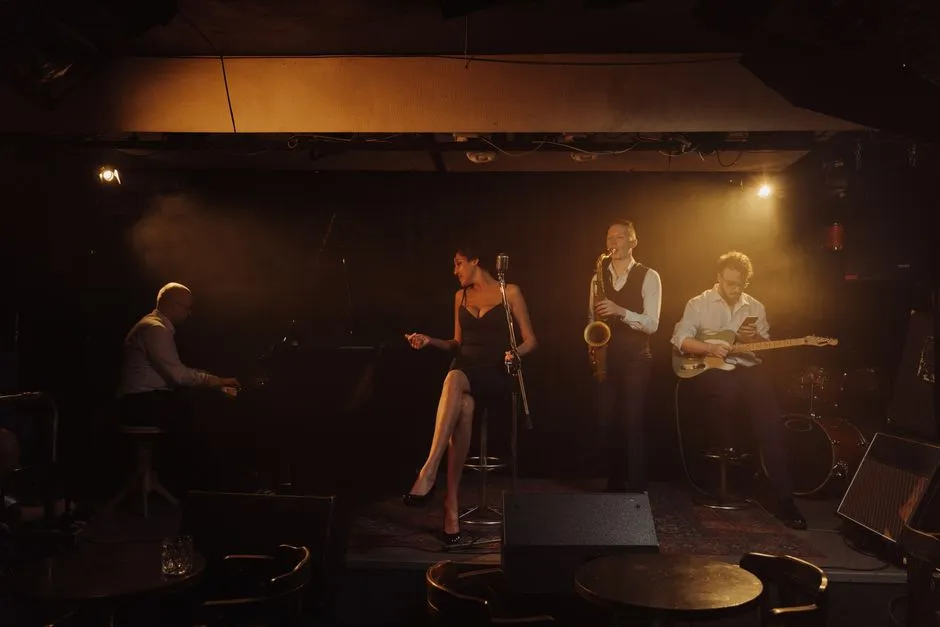
Follow one thing before following everything
To listen to jazz, begin with the pulse, then choose one instrument and stay with it for a full section. Notice when the melody returns, when a solo begins, and how the other players respond. You do not need to identify every chord or historical reference on the first pass. Repeated listening can make those relationships easier to hear. Begin with a recording whose ensemble roles are easy to distinguish.
Headphones and speakers can create hazardous exposure. NIOSH says noise-induced hearing loss is permanent and describes 85 dB(A) over eight hours as an occupational limit, with allowable time halved for each 3 dB increase; it cautions that this is not a recreational-listening guarantee. Reduce level and exposure time, and use appropriate hearing protection whenever exposure may be hazardous. See NIOSH guidance.
Find the recurring melody
Many performances begin by stating a tune, move through improvised choruses, and return to the tune near the end. The opening melody gives you a landmark. Hum its rhythm or note where its phrases stop.
Our jazz song-form guide explains how repeated sections help musicians know where they are even while creating new material. When the tune returns, listen for what changed in your expectations.
Feel the pulse physically
Tap a quiet foot or finger and locate the shared beat. The rhythm section may imply time rather than strike every beat identically. Bass, ride cymbal, piano, guitar, and drums can divide responsibility.
The guide to swing in jazz shows why swing is a relationship among placement, articulation, pulse, and interaction—not simply a notation setting marked “make jaunty.”
Track the soloist's shape
Instead of counting notes, listen for a solo's sentences. Does it begin with a small motif, repeat it, move it higher, leave space, increase density, or answer the original melody? Notice peaks, pauses, and endings.
The improvisation explainer treats solos as live composition shaped by form, vocabulary, listening, and risk. A fast run can be exciting, but one well-timed silence may change the entire room.
Hear the accompaniment as conversation
During a solo, the other musicians continue shaping the performance. A drummer may answer an accent, a pianist may leave space, and a bassist may alter the line to support a turn. Listen for one response at a time.
On a second play, follow only the bass; on another, follow drums. Do not treat NIOSH's occupational limit as a recreational-listening budget. Lower playback, shorten the session, and take quiet breaks instead of completing every planned pass. The solo may sound different when another ensemble layer is in focus.
Compare repeated choruses
Form lets musicians revisit the same harmonic path with new melodic choices. Compare the first and later solo choruses. Does the player use more space, higher register, sharper rhythm, or fragments from the tune?
Avoid deciding that later automatically means louder or better. Some solos build toward density; others clear the arrangement until one phrase remains.
Notice the recorded room
Microphone placement, balance, stereo image, audience sound, and room ambience shape what you hear. A close studio recording and a live club recording reveal different kinds of interaction.
Do not confuse audible crowd noise with proof of spontaneity or silence with studio perfection. Read the release credits and session context when available.
End with one plain observation
After listening, write one sentence without jargon: “The drummer became more active under the final solo,” or “The melody returned more softly.” That sentence gives the next listen a question.
Jazz listening is not a gate guarded by correct answers. It is attention becoming more specific. If you lost the form, wait for the melody, find the pulse, and rejoin. Use the notes as a map for the next pass, not as a score for whether the first pass was correct.