Choose a First Jazz Instrument That Fits Your Life
- Choose a first jazz instrument for the life you have
- Begin with the sound you want to make
- Try before making a large commitment
- Consider breath, reach, coordination, and posture
- Plan for volume and space
- Calculate the whole ownership picture
- Think about ensemble access
- Compare a few likely paths
- Let the choice remain revisable
- Sources checked
Choose a first jazz instrument for the life you have
The best first jazz instrument is not the one that wins an abstract ranking. It is the instrument whose sound attracts you, whose physical demands suit you, and whose cost, volume, portability, maintenance, and practice access fit your real life. A glamorous instrument stored untouched in a closet has achieved only excellent closet tone.
Choose by trying, listening, and planning for ordinary Tuesdays.
Begin with the sound you want to make
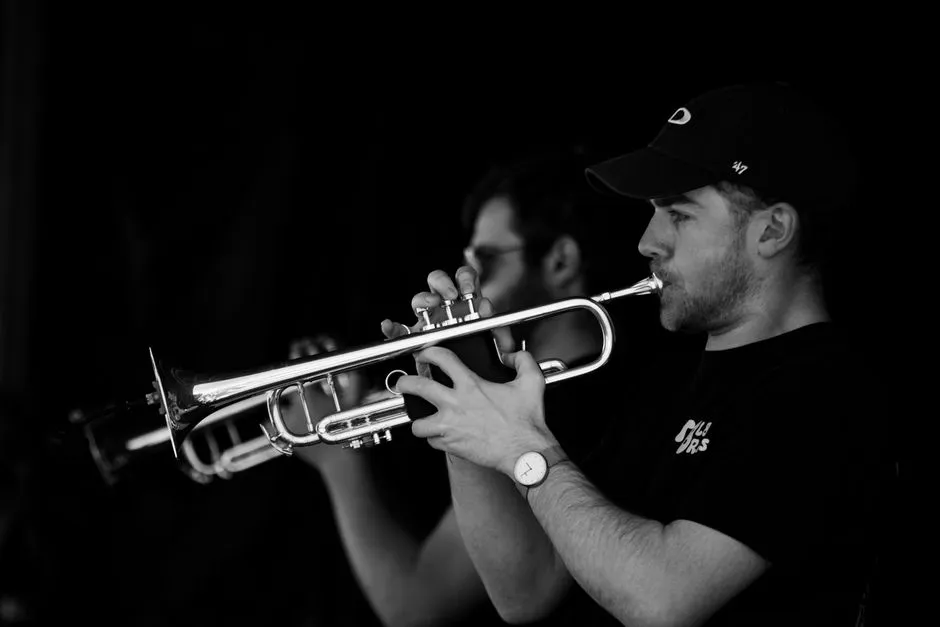
List several recordings that pull you toward an instrument. Is it the saxophone's flexible phrase, trumpet's attack, piano's harmony, bass's moving line, guitar's compact chords, or drums' control of texture? Follow that voice through an entire tune, including accompaniment.
The instrument's less flashy work should interest you too, because most ensemble playing is not a permanent solo.
Try before making a large commitment
Arrange a lesson, school demonstration, community program, or supervised shop trial where available. A qualified teacher can help you hold the instrument safely and notice basic physical compatibility without treating one brief attempt as destiny.
Rental or borrowing options may reduce commitment, but terms, condition, maintenance, and availability vary. Inspect agreements carefully.
Consider breath, reach, coordination, and posture
Wind and brass instruments involve breath and embouchure. Keyboard and guitar ask for different hand coordination. Bass can involve larger reaches and transport. Drums require coordinated limb movement and a workable setup. Adaptations and alternate sizes may be possible.
Use a qualified teacher or appropriate clinician for individualized technique, pain, mobility, or hearing concerns. Stop playing when pain begins; do not push through it.
Plan for volume and space
Ask where and when you can practice. Acoustic drums, brass, saxophone, amplified instruments, and headphones can all create hazardous exposure. NIOSH says noise-induced hearing loss is permanent and describes 85 dB(A) over eight hours as an occupational limit, with allowable time halved for each 3 dB increase; it cautions that this is not a recreational-listening guarantee. Reduce level and exposure time, and use appropriate hearing protection whenever exposure may be hazardous. See NIOSH guidance.
Plan the room, schedule, and instrument around both hearing protection and local noise limits.
Calculate the whole ownership picture
The initial instrument is only part of the commitment. Lessons, reeds, strings, sticks, maintenance, stands, cases, amplification, tuning, repairs, and transport may matter. Costs vary by place and condition, so collect current local quotes rather than trusting a universal figure.
Do not buy an unknown used instrument without a knowledgeable inspection when repair risk is meaningful.
Think about ensemble access
Look at school groups, community bands, jam sessions, teachers, and practice partners near you. Available ensembles can make progress more social and practical. That does not mean choosing solely to fill a vacancy, but access matters.
Explore the roles in a piano trio to hear how different instruments contribute beyond soloing.
Compare a few likely paths
If saxophone attracts you, hear the saxophone family across registers before choosing a size. If trumpet appeals, follow attack and breath-shaped phrasing, not only high climaxes. For piano, bass, guitar, or drums, listen equally to support roles.
Write a short comparison: sound, physical comfort, practice access, ongoing care, transport, and local instruction.
Let the choice remain revisable
Your first instrument does not sign an exclusive lifelong contract. Skills in listening, rhythm, melody, and ensemble awareness transfer even when technique changes. Some musicians double; others switch after learning what truly holds their attention.
Choose enough information to begin, then let regular practice provide better evidence. The right first instrument is one you can safely reach, hear, maintain, afford, and continue practicing under real conditions.