Instruments & Ensemble
Big Band Sections: Hear the Orchestra in Layers
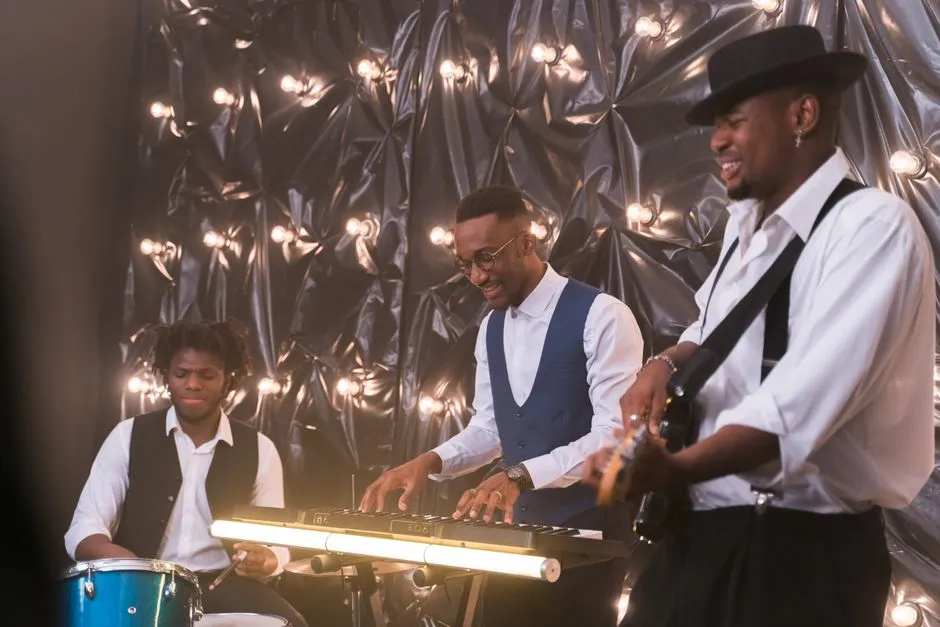
A jazz big band commonly groups saxophones, trumpets, trombones, and a rhythm section.
An instrument guide is most useful when it explains what to hear between the notes: attack, sustain, register, articulation, time, and interaction. These pieces follow ensemble jobs without trapping any instrument in one role. The bass may walk, the piano may comp, and both retain the right to surprise the meeting.
A jazz big band commonly groups saxophones, trumpets, trombones, and a rhythm section.
Choose a first jazz instrument by balancing sound, physical fit, space, transport, maintenance, total cost, instruction, and ensemble access.
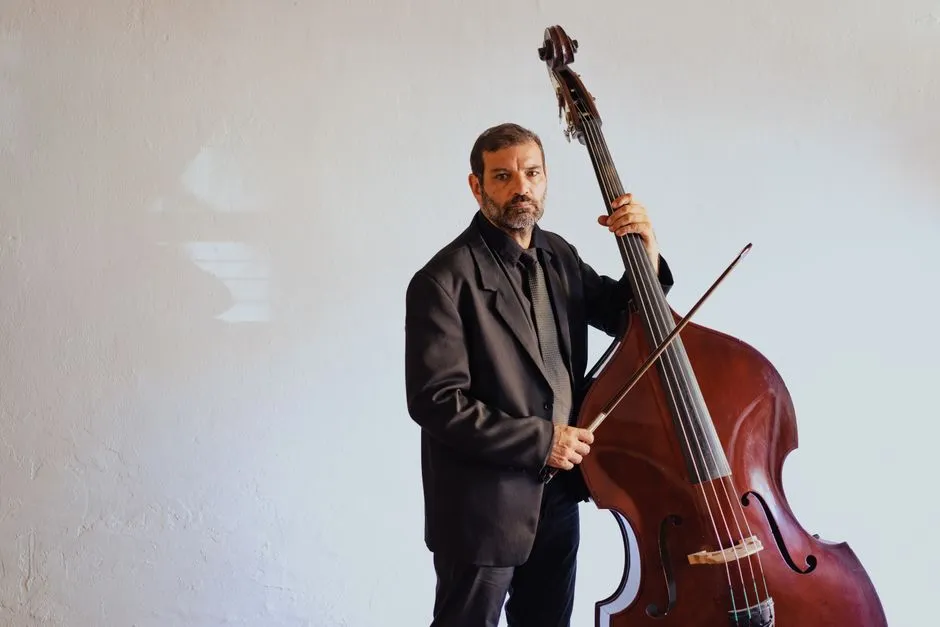
Double bass in jazz connects harmonic direction, pulse, and melody.
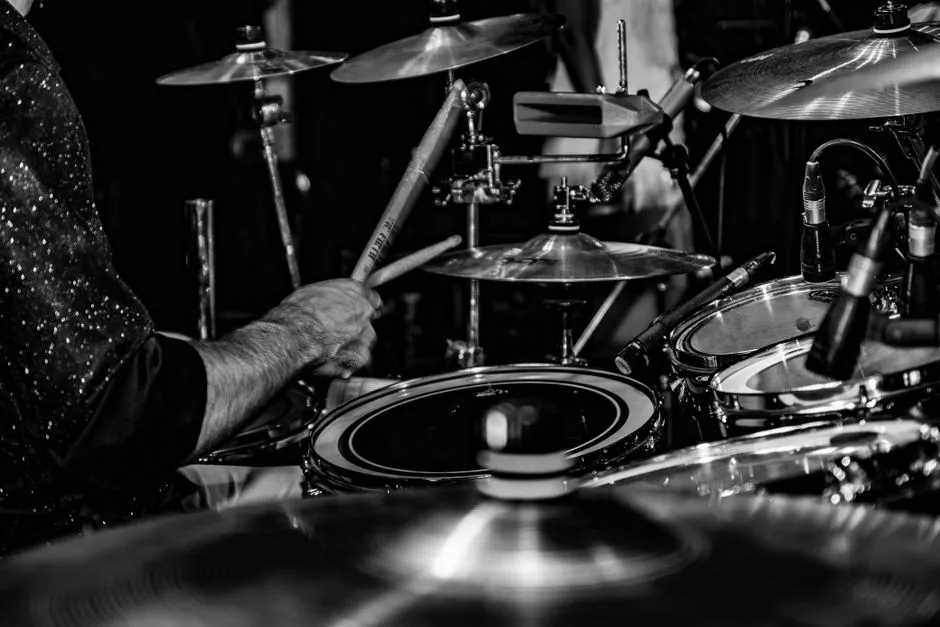
The ride cymbal often provides a clear layer of jazz pulse, but its attacks and lingering wash vary constantly.
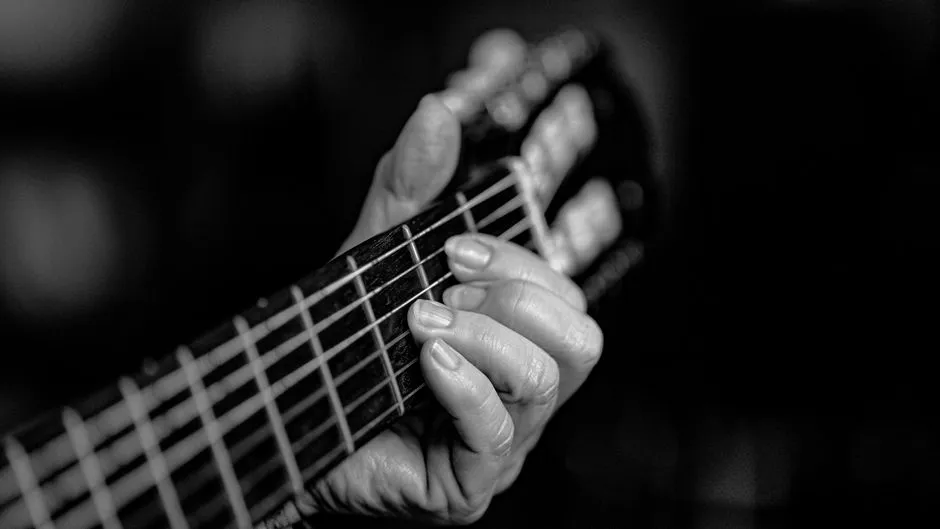
Jazz guitar comping uses chord placement, voicing size, note length, register, fills, and silence to respond to an ensemble.
In the jazz organ-trio format covered here, organ, guitar, and drums divide bass motion, chords, melody, texture, groove, and solos.
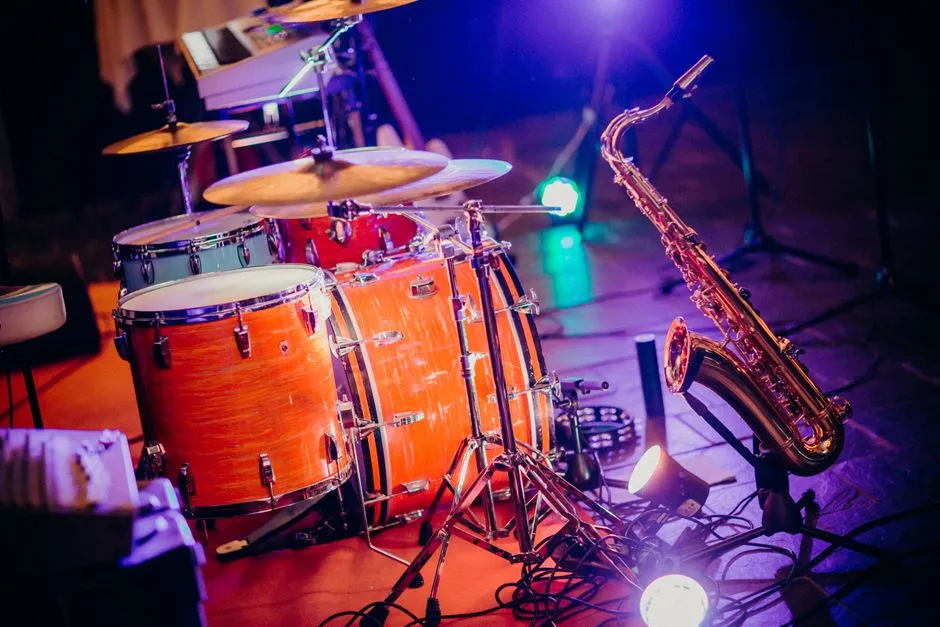
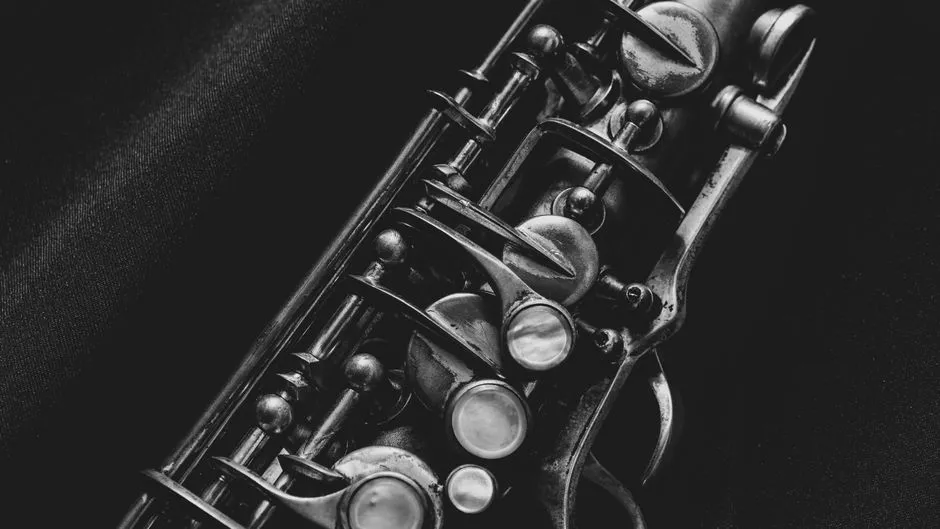
The common jazz saxophone family runs from higher soprano through alto and tenor to lower baritone.
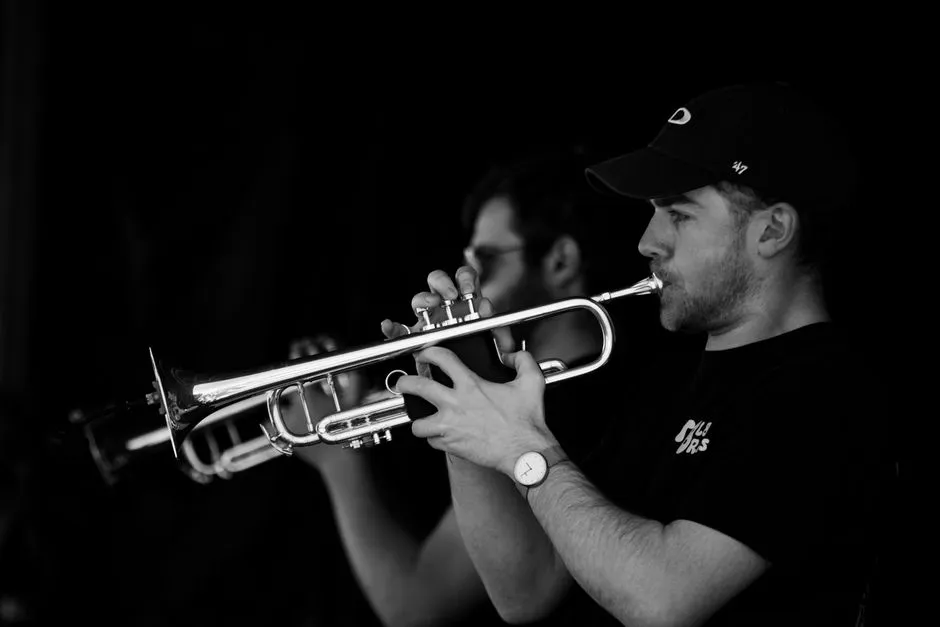
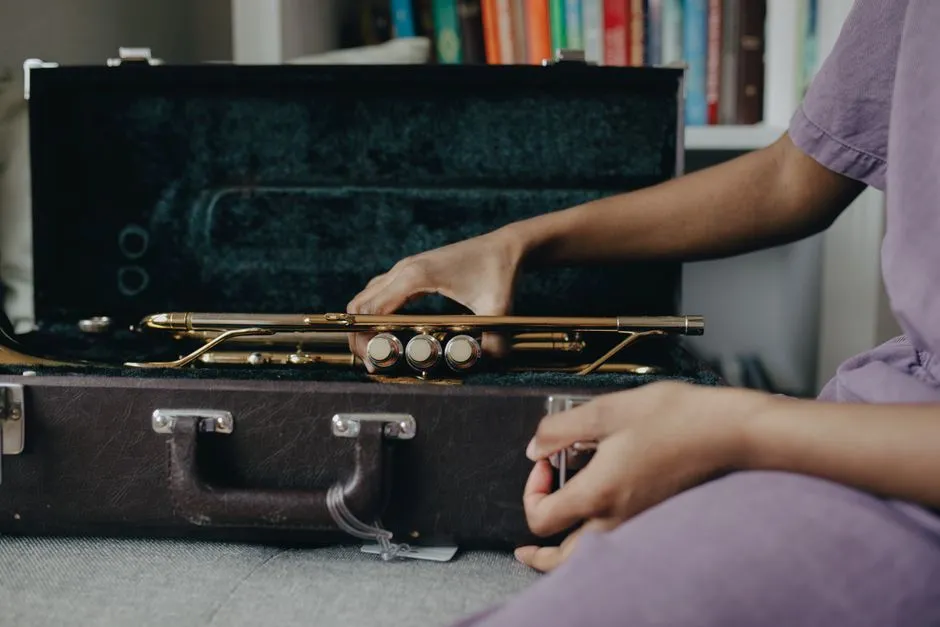
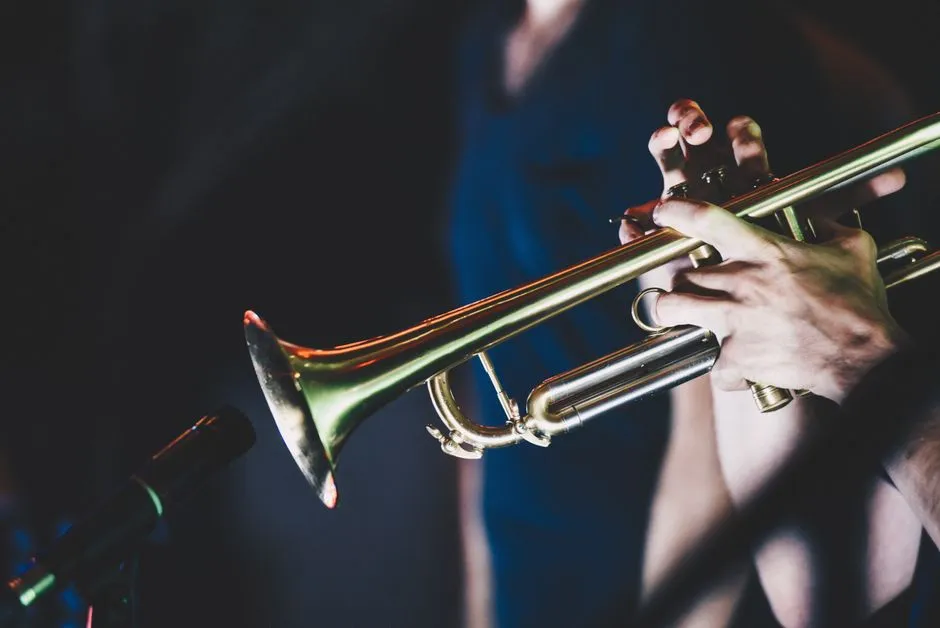
Listen to jazz trumpet for attack, tone, breath-shaped phrasing, register, note endings, mute color, and changing ensemble roles.
In a jazz piano trio, piano, double bass, and drums exchange melodic, harmonic, rhythmic, and structural roles.
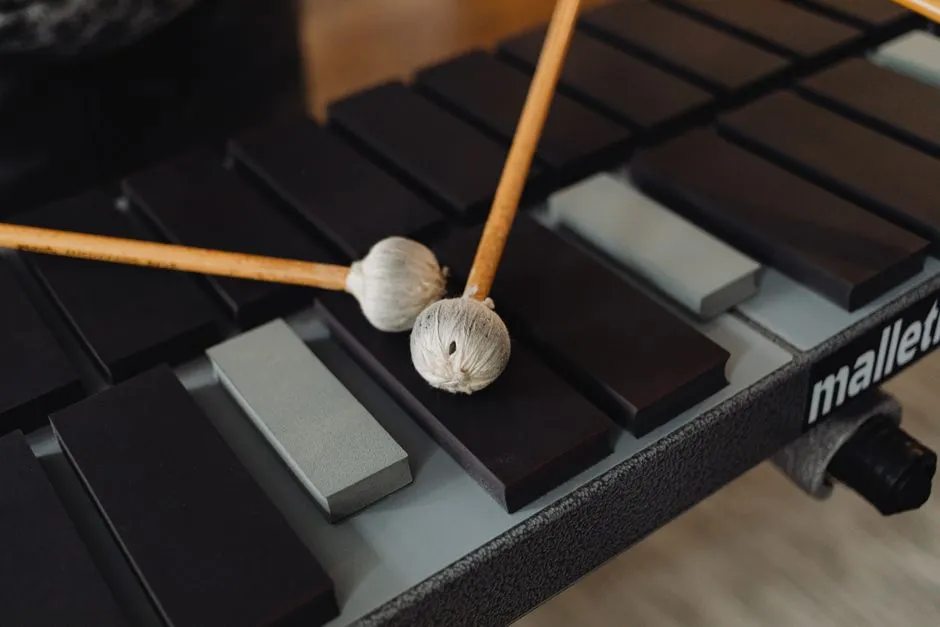
Vibraphone in jazz combines mallet attack with resonating metal bars, pedal-controlled damping, and an optional motor-driven pulsing effect.