What Is Swing in Jazz? Follow the Shared Pulse
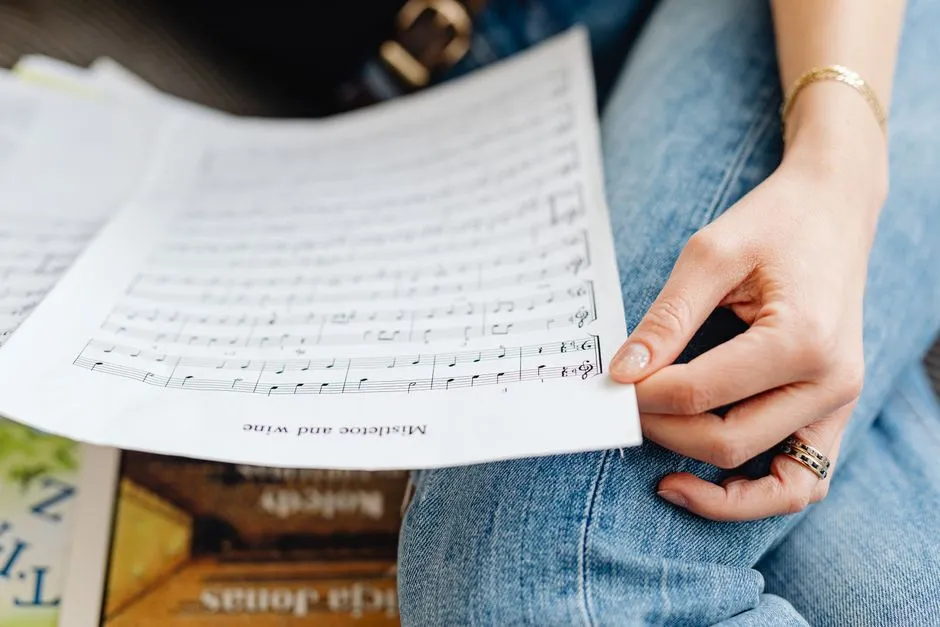
- Swing lives between a shared pulse and flexible placement
- Listen to the ride cymbal
- Follow the walking bass
- Hear long and short articulation
- Avoid the fixed-triplet shortcut
- Notice collective agreement
- Compare the same phrase in two feels
- Separate swing era from swing feel
- Let the body answer first
- Protect hearing during repeated listening
- Sources checked
Swing lives between a shared pulse and flexible placement
Swing in jazz is a time feel created by how musicians place, shape, and connect notes around a steady pulse. It can involve unequal subdivisions, but no single mathematical ratio defines every tempo, player, or style. Articulation, accents, forward motion, and ensemble agreement matter as much as the spacing between two notes.
Begin by tapping the main beat. If that pulse feels stable while the surface dances around it, you are near the useful question.
Listen to the ride cymbal
In many swing settings, the ride cymbal carries a repeating pattern and a flowing sense of time. The drummer varies accents and spacing while maintaining direction. Hi-hat, snare, bass drum, and toms add conversation rather than simply duplicate every beat.
The ride-cymbal guide shows how to hear the drummer's timekeeping and commentary as related jobs.
Follow the walking bass
A walking bass line often places a note on each main beat, connecting harmony through stepwise motion, chord tones, approaches, and rhythmic emphasis. Its steadiness makes small timing choices elsewhere easier to feel.
Use the double-bass guide to follow line shape instead of hearing four unrelated low notes politely waiting in a row.
Hear long and short articulation
Swing comes from note shape as well as onset. A horn may lean into an offbeat, clip one note, connect another, and accent a phrase ending. Piano or guitar comping can place chords in spaces that nudge the groove.
Clap the rhythm without pitch. The phrase should retain character. If it becomes generic, articulation was doing more work than the notation admitted.
Avoid the fixed-triplet shortcut
Treating swing as the first and third notes of a triplet can be a rough counting aid, not a fixed performance setting. Follow the actual recording and compare how different rhythm sections shape long-short subdivision, articulation, accents, and placement around the pulse.
Use the shortcut to begin, then replace it with recordings. The musicians have already completed the more interesting research.
Notice collective agreement
One player can phrase with swing, but an ensemble feel emerges through relationship. Bass and ride may sit differently around the pulse while still pulling together. A soloist can play ahead, behind, or near the center without losing the shared time.
The beginner listening guide recommends following one role per pass so these differences become audible rather than merely theoretical.
Compare the same phrase in two feels
Speak or clap a simple repeated rhythm evenly, then with a looser long-short motion and changed accents. Do not force a cartoon bounce. Keep the main pulse calm and let the phrase move around it.
When listening, compare a ballad, medium tempo, and faster performance. Notice how swing adapts instead of treating one example as the official setting.
Separate swing era from swing feel
“Swing” can name a rhythmic feel and can also refer to a historical style or era associated with big bands and dancing. A later small-group recording may swing without belonging to that historical category, and some jazz uses other time feels entirely.
State which meaning you intend. Otherwise one word is being asked to conduct both the rhythm section and the history lecture.
Let the body answer first
Tap the pulse, notice whether phrases create lift and forward motion, then describe the roles producing it. Theory can refine the answer later.
Swing is coordinated motion renewed on every beat. Two rhythm sections can read the same chart while shaping subdivision, accents, and placement differently.
Protect hearing during repeated listening
Headphones, speakers, and live instruments can create hazardous exposure. NIOSH says noise-induced hearing loss is permanent; its 85 dB(A) over eight hours figure is an occupational limit, not a recreational-listening budget. Lower level and exposure time, take quiet breaks, and use appropriate protection whenever exposure may be hazardous. See NIOSH guidance.