Jazz Improvisation Explained as Live Composition
- Improvisation is choice under shared conditions
- Begin with the tune
- Follow a motif
- Hear form beneath the invention
- Notice tension and release
- Listen to the rhythm section's replies
- Distinguish preparation from scripting
- Compare alternate takes or live versions
- Let a solo have an arc
- Protect hearing during repeated listening
- Sources checked
Improvisation is choice under shared conditions
Jazz improvisation is live musical creation shaped by form, harmony, rhythm, melody, vocabulary, technique, memory, and attention to other players. It is neither random note production nor composition without preparation. Musicians practice materials so they can choose, transform, and respond in real time.
The constraints make freedom audible. A soloist knows where the form turns, which gives a surprising phrase somewhere meaningful to surprise us from.
Begin with the tune
Improvisers can quote, ornament, fragment, or answer the composed melody. Listen for a rhythm or interval from the head returning inside the solo. Even when the connection is subtle, the tune provides character beyond the chord sequence.
Our jazz standard guide explains why shared repertory gives musicians familiar material to reinterpret across sessions.
Follow a motif
A motif is a short musical idea. A soloist may repeat it, move it to another pitch, alter its ending, change its rhythm, or leave space after it. Track that development before worrying about scale names.
If every phrase seems unrelated, choose a shorter excerpt. A four-note idea can have a busier social calendar than some entire melodies.
Hear form beneath the invention
The song-form guide shows how improvisation often travels through repeating choruses. Harmony and section order return while the solo changes. Listen for the first phrase of each new chorus and compare energy, register, and density.
Some improvisation uses modal, vamp-based, free, or changing forms, so identify the specific performance rather than forcing every solo through one template.
Notice tension and release
Tension can come from dissonance, chromatic notes, rhythmic displacement, repetition, register, volume, or phrase extension. Release may arrive through a consonant note, return to pulse, silence, lower register, or familiar melody.
Describe the effect before naming the device. “The phrase kept climbing, then stopped” is a valid and useful observation.
Listen to the rhythm section's replies
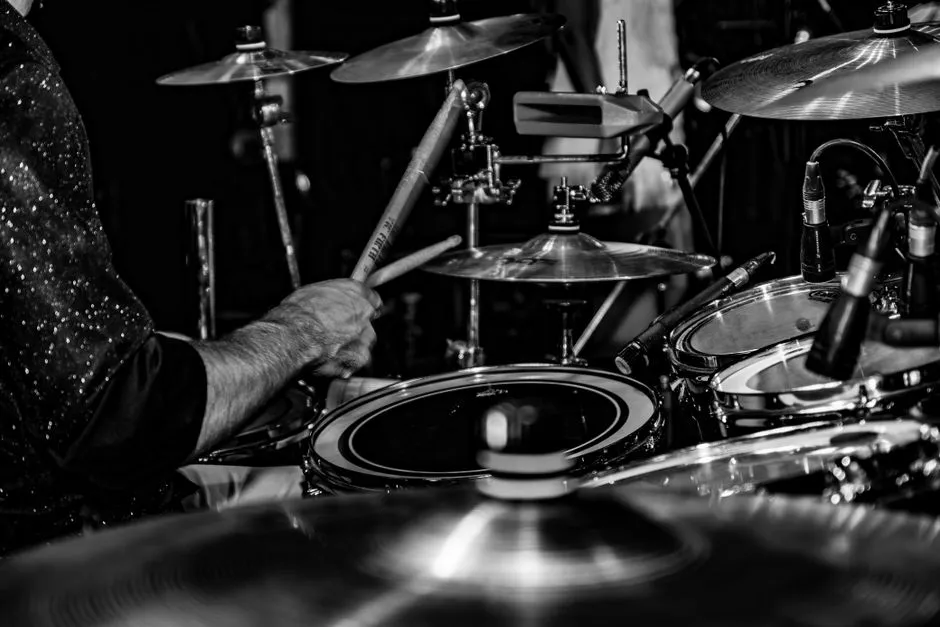
Improvisation is often collective. Drums may echo an accent, bass may change direction, and piano or guitar may alter chord density. The soloist responds in return.
Use how to listen to jazz and replay the same chorus while following a different player. The solo you thought belonged to one person will reveal several co-authors in real time.
Distinguish preparation from scripting
Preparation can include tunes, harmony, rhythmic language, patterns, ear skills, and instrument control. In a particular performance, identify repeated vocabulary by comparing where it appears and how pitch, rhythm, register, or interaction changes it.
Judging a phrase as “memorized” from resemblance alone ignores how language works. Speakers reuse words without reading a script every morning.
Compare alternate takes or live versions
Hear two performances of the same tune by the same ensemble. Mark what remains: tempo, form, arrangement, opening cue, or a favorite motif. Then mark what changes.
Variation reveals where the arrangement ends and real-time decision begins, though studio editing and rehearsal context should be checked through release notes.
Let a solo have an arc
Ask how the solo begins, develops, peaks, and exits. Virtuosity may be part of that arc, but speed is only one resource. Tone, silence, humor, repetition, and interaction can carry equal weight.
Improvisation becomes less mysterious when heard as a sequence of decisions. You do not need to predict the next note. You need only hear that the previous note made the next choice possible.
Protect hearing during repeated listening
Headphones, speakers, and live instruments can create hazardous exposure. NIOSH says noise-induced hearing loss is permanent; its 85 dB(A) over eight hours figure is an occupational limit, not a recreational-listening budget. Lower level and exposure time, take quiet breaks, and use appropriate protection whenever exposure may be hazardous. See NIOSH guidance.